Skip navigation

We bought a stir plate on eBay. It was a bit corroded, so we sanded some of the old paint off and hit it with our signature orange.

The next yeast starter will be stirred on this new gadget. The hope is for faster starters and better yeast performance.

Our Special Saison follows our Citra IPA by only a couple of hours. It is “Special” not because it rides the short bus to school, but because it has a little more alcohol than your pedestrian Saison.

The Saison is a Belgian/French ale that was, by law, an entitlement for farm workers in the region. It was safer to drink than local water and was allotted at 4 liters per worker.

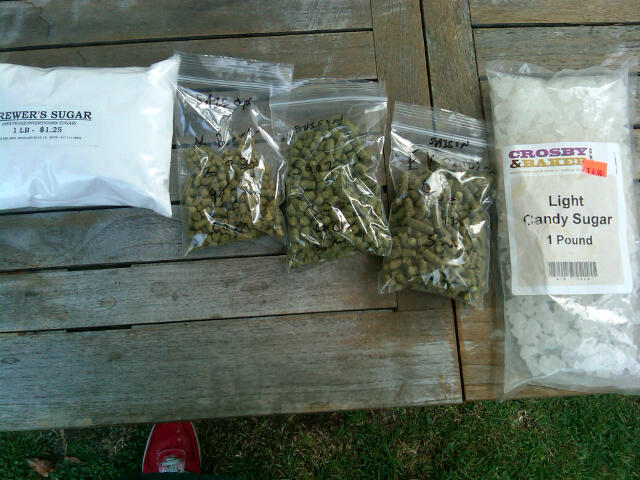
We are adding some brewers sugar and some Belgian clear candi sugar (a pound each) to the beer near the end of the boil to raise the alcohol level and let it ferment into a drier flavor profile.

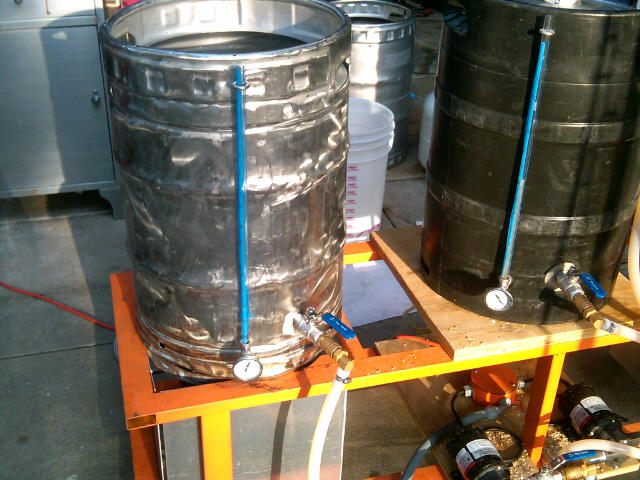
We also bid adeu to our hot liquor tank, as it gets replaced with one of our recently acquired pretty kegs. It will be nice to have a HLT that does not wobble on the burner.

We are in the middle of our IPA brew now. Weather is perfect.

We have the filter in action (also added a campden tablet). Using the p

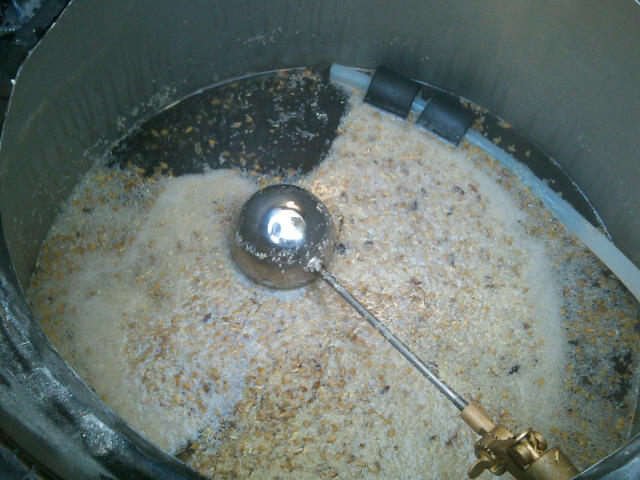
We overshot our mash temp by 8 degrees, so we cycled the water to cool it before we mashed in. Managed to hit our temp perfectly when we finally mashed. We accidentally pumped a bit of mash water back into the HLT. Caught it right away, cleaned it up, no harm.

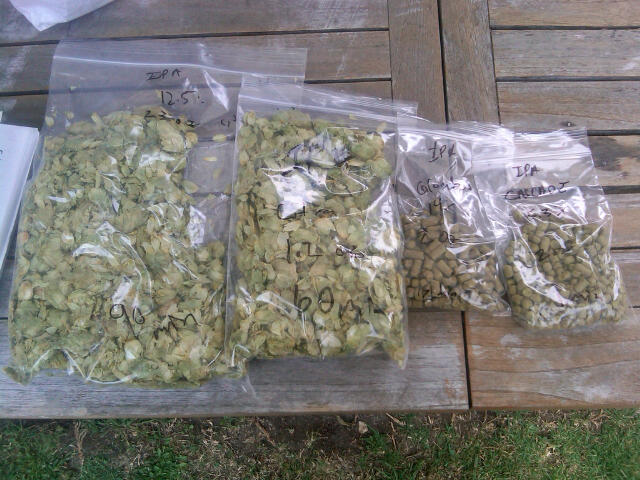
90 minutes later we began a 20 minute recirculation (Vorlof) then sparged into a 90 minute boil. Lots of hops in this one, including 3.5oz of the namesake Citra.

While we wait for the boil, we preheat water for our next beer, the Saison.

In a coincidence, we are planning on brewing tomorrow, which happens to be National Homebrew Day

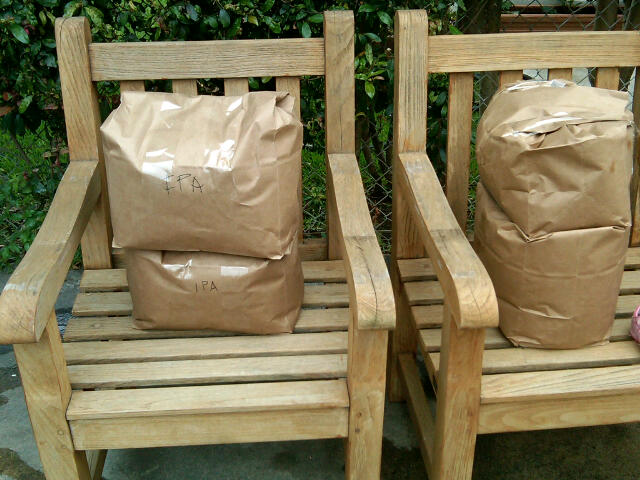
We plan on making two beers:  An IPA with Citra Hops: 05.07.2011 J and L Citra IPA and a Belgian Special Saison  05.07.2011 Belgian Special Saison

We have a camera at the ready and will try to put together a good post.

On April 10th we brewed a robust porter. It was started by one of us while the other had to work until the mash was almost done. That is why we have no photos. 😦

Mash strike temp was hit perfectly. The whole process was pretty smooth.

The next week we racked one half of the batch onto a half pound of cocoa nibs and kegged the other half.

The week after we kegged the cocoa porter and added a half a pint of strong cold press coffee and quarter pound of lactose dissolved in a quarter pint of water. These proportions were gauged by tasting a sample as we slowly added tiny amounts of the adjuncts. These quantities were then scaled up to 4.5 gallon size. This was then gassed.

We plan on another brew day this weekend. We will taste the gassed beers then. One will be sent to the Longshot brewing contest at Boston Brewing.

Recipes:  04.10.2011 Robust Porter    04.10.2011 Mocha Porter

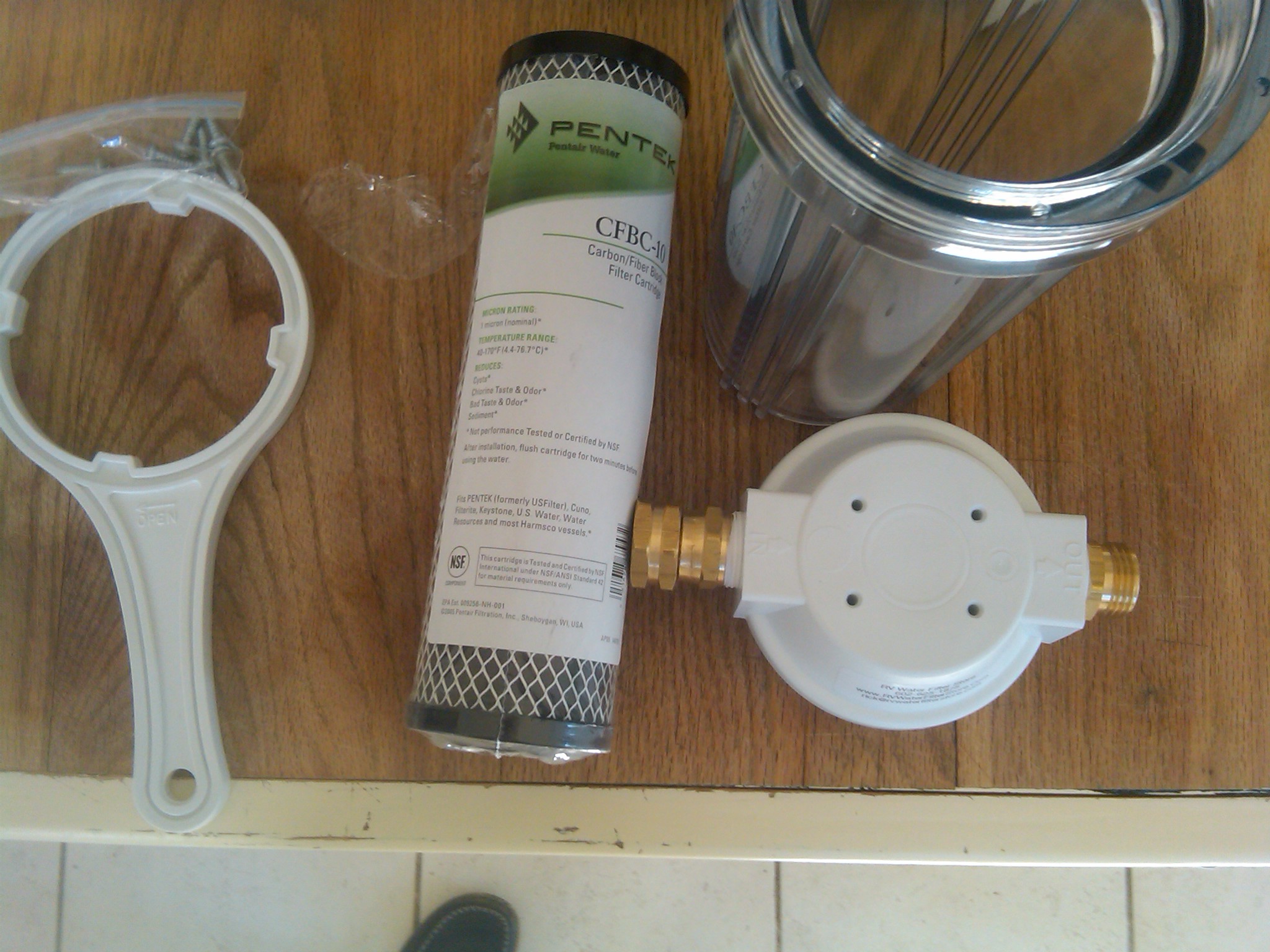
We finally got adding a water filter to our brewery. After a couple of classes at Eagle Rock Brewery hearing about removing chlorine and chloramines from our brewing water we made the move.

Total order was $90 for a good 10 inch canister with brass hose fittings and two CFBC-10 filters. We also bought a wrench and a mounting bracket.

We are hoping this will clear the water of added chlorine compounds that can lead to the medicinal “chlornophenolic” taste you sometimes get from straight tap water.

Probably overkill, but so much of what we have been doing is overkill. Overkill is good.

We put together 5 beers to submit to the AHA Conference in San Diego.

Had to ship them to the Seattle regional as San Diego had filled up before we got our registration in.

The blonde ales were not ready 😦

In, yet another, brutal, rain-soaked brew day, we managed to make 10 gallons of blonde ale.

10 gallons are dosed with Safale US-05 and 10 are with our starter batch of WLP-550 Trappist yeast.

Despite the downpour, our process worked well. We overshot our temperatures by 5 degrees or so, as our losses were negligible in the cold weather. We broke a beautiful 6 gallon carboy (as it barely kissed another carboy during cleaning).

We got 70% efficiency and hit our beginning gravity on the spot.

The fermenters were going strong within 12 hours.

We are hoping to include both in our AHA competition entries (due in 9 days). Cutting it close.

Recipe: 03.20.2011 One Eight Blonde Ale v3

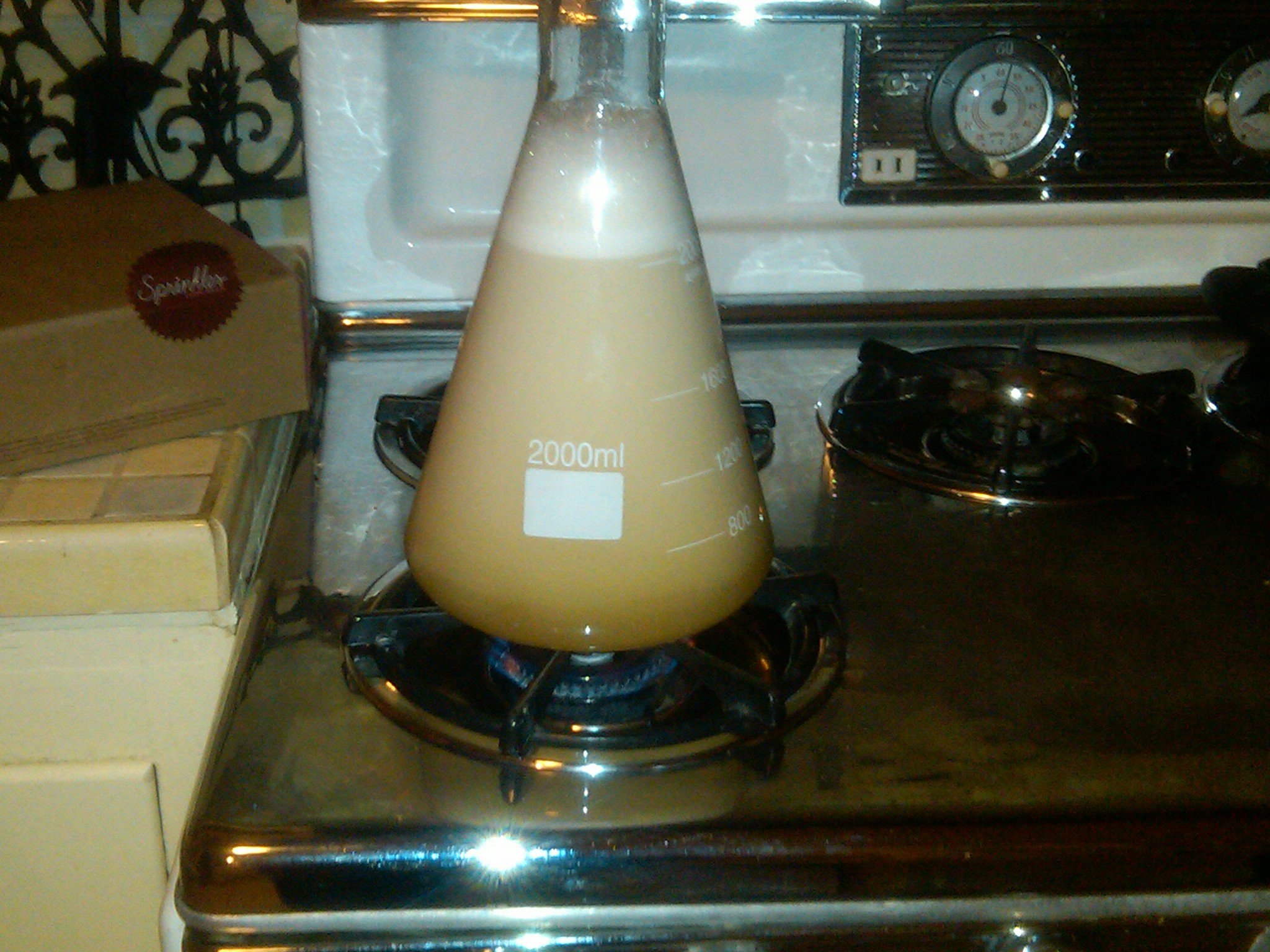
For the first time in many years: a boil over on the kitchen sink. These flasks are shaped in such a way that they can get into a boil over situation pretty quick. Beware.

We bought a 2 liter Erlenmeyer flask and a bag of DME along with our usual blonde ale ingredients.

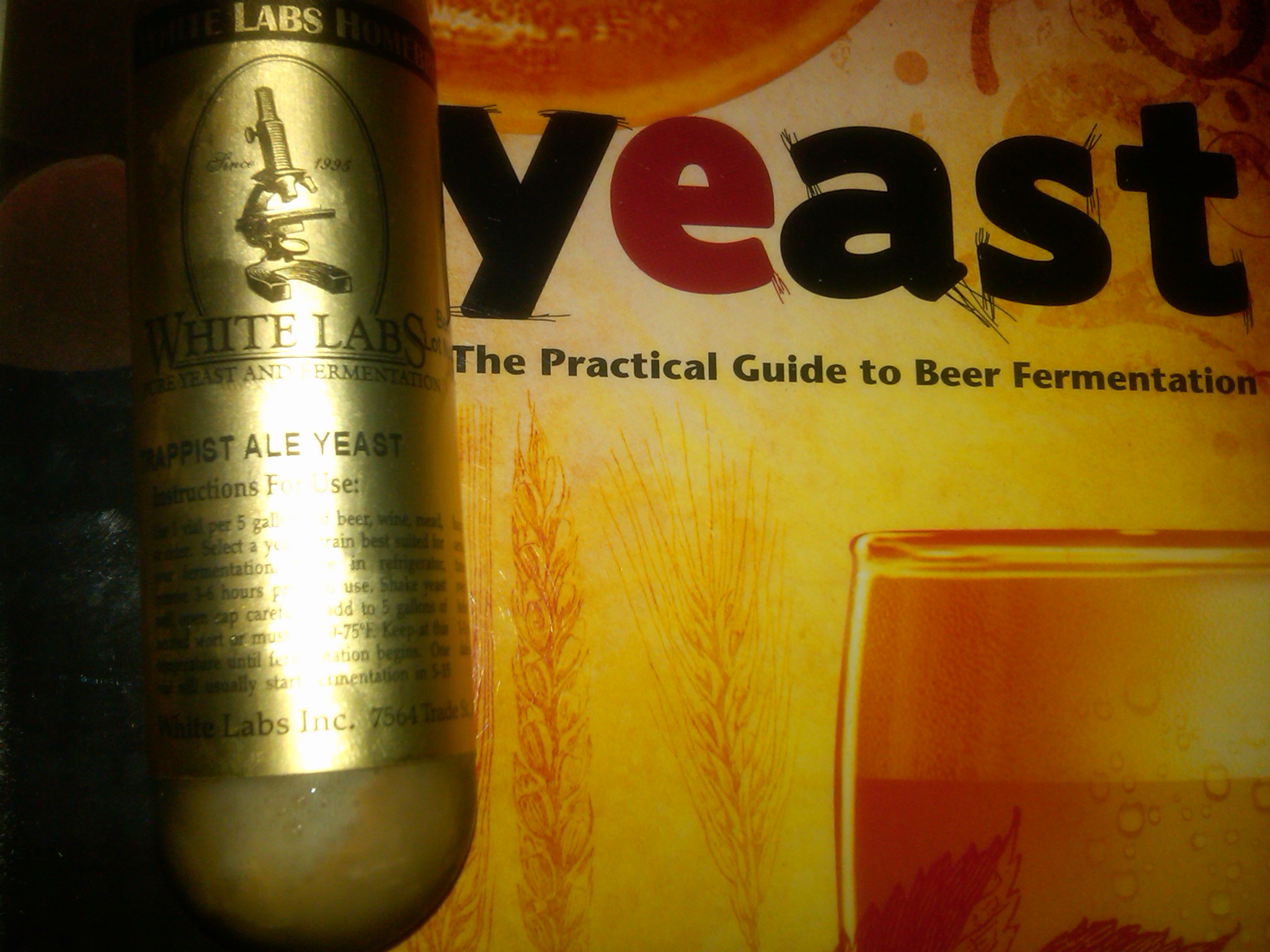
We are going to do a split batch of 5 gallons each American Safale US-05 and White Labs WLP500 Trappist. There was only one vial of Trappist available so we needed to do a yeast starter.

While an overnight starter will not yield massive amounts of yeast cells, but we should get a good start.

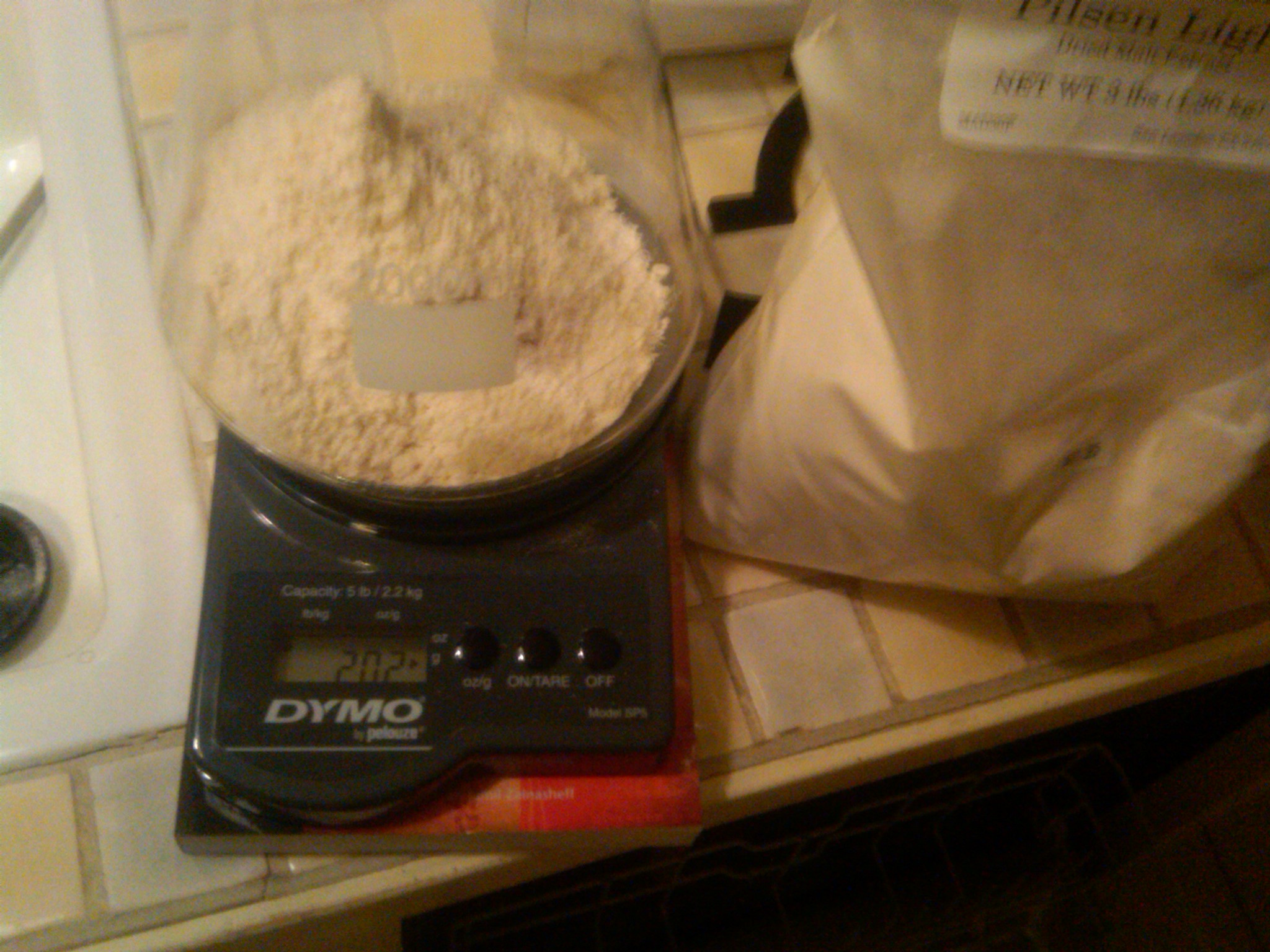
The Yeast book by Chris White and Jamil Zainasheff suggests putting the flask on the burner with 2 liters of water and 200 grams of DME. This is exactly what was done.